OngoingGovernment warnings · Since 22 Oct 2026 · Last update 7 Nov 2026
UK tells households to keep three days of supplies as others follow
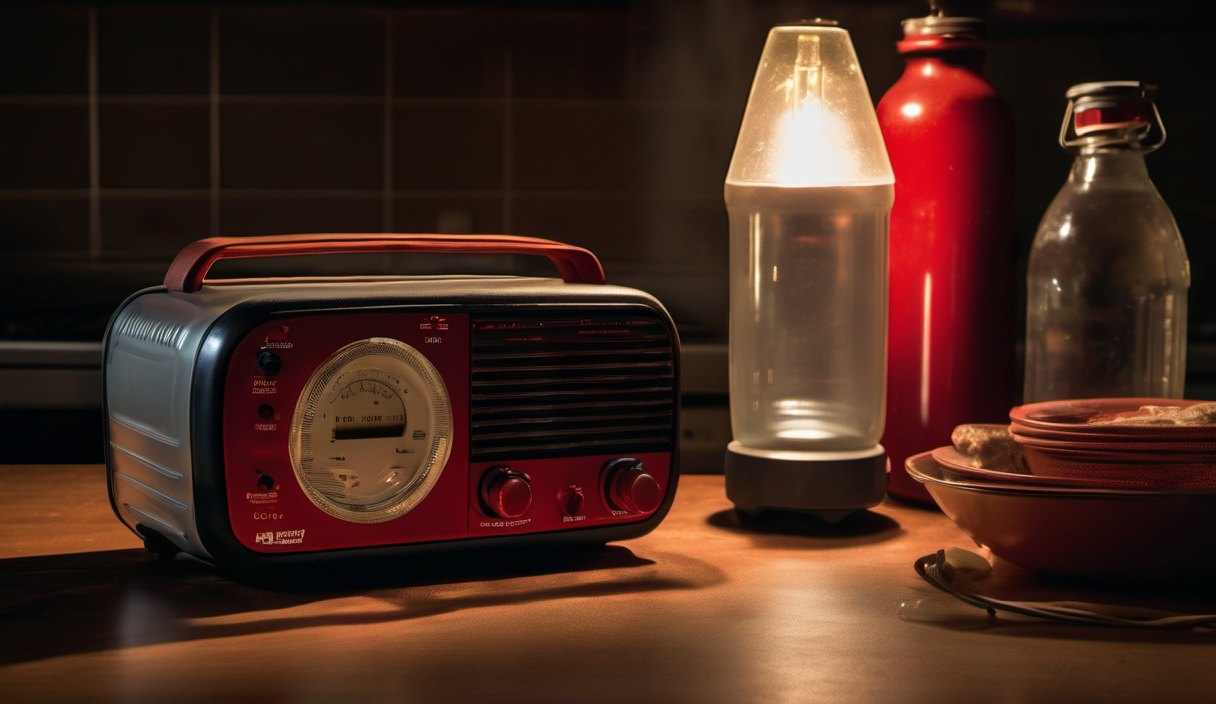
Governments across Europe and beyond are publishing 'be prepared' advice, usually three days of food, water and basics. It is routine, sensible planning, not a warning that something is about to happen, and viral posts claiming otherwise have been fact-checked.
Timeline
- BBC media correspondent David Sillito reported on how the BBC would keep broadcasting government advice during a long, widespread power and communications failure (a 'black sky' event). Secondary reports of the piece describe an emergency radio studio run by around 100 staff with non-internet communication lines, supplies for at least three days, and FM transmitter sites with diesel generators. The government says a total national outage is very unlikely and there is no specific current threat; the staffing and fuel figures come from one report citing an anonymous source.
- A viral list claims 53 governments are warning their people to stockpile for an imminent crisis. Fact-checkers found no source for the 53 figure; roundups count about 33 countries with published household emergency-supply guidance, much of it long-standing and tied to specific risks like storms or outages, rather than a coordinated global warning.
- The Cabinet Office published updated Be Ready household advice on 22 October as the first stage of a three-year campaign. It asks people to prepare for about three days of disruption to power, water, phone and internet, using a downloadable checklist that includes water, long-life food, a torch, a battery or wind-up radio, a power bank, medicines and some cash. Security Minister Dan Jarvis said those who can should follow the advice, and officials stress it does not signal a specific threat.
Be ready: Three days of long-life food, water, a torch, a radio, medicines, cash and a charged power bank is the standard official advice.
We summarise public reporting for general information and link to the original sources. In an emergency, follow guidance from the emergency services and your local authority.