OngoingDisasters & extreme weather · Since 8 Jan 2026 · Last update 25 Oct 2026
Storms and floods keep cutting power across the UK
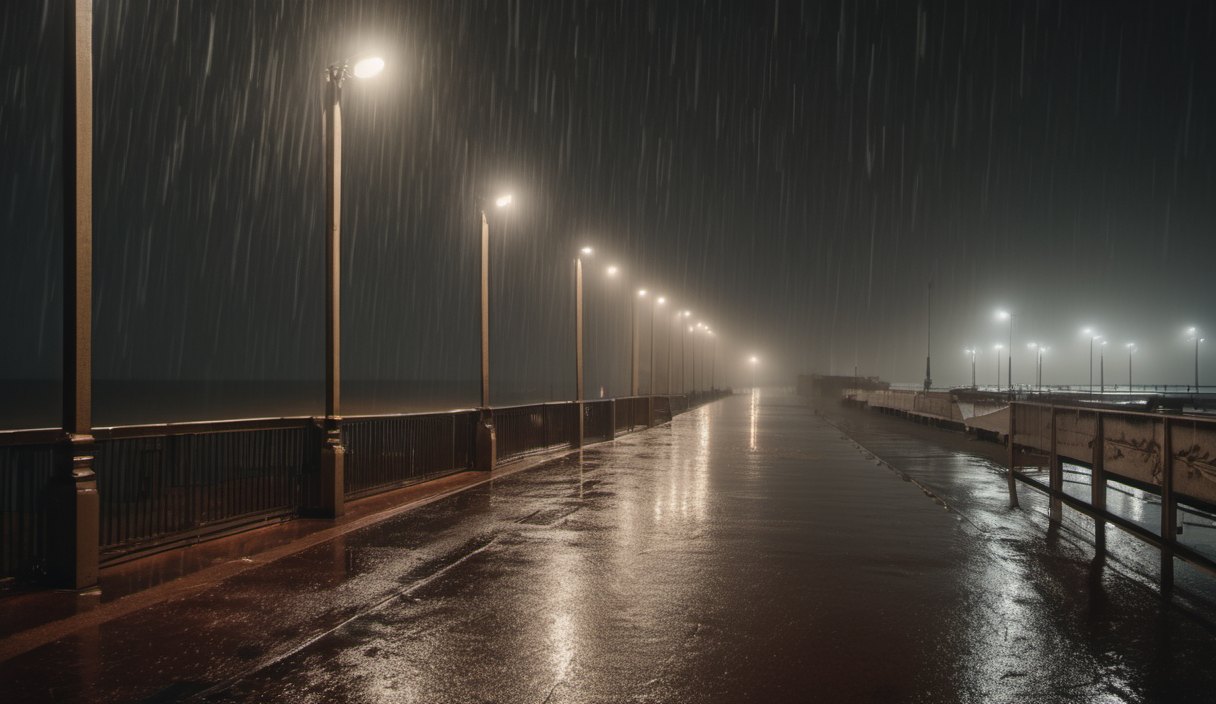
Power cuts and flooding from storms are the most likely reason a UK household will need an emergency kit.
Timeline
- Storm Boelo followed Storm Austen over the weekend of 24 to 25 October, with gusts above 80mph in Scotland and an amber wind warning across Scotland and northern England. More than 30,000 homes in Scotland lost power, and airports, ferries, rail and roads were disrupted. Power had been restored to over 130,000 properties hit by Austen the day before; reported outage totals for Boelo varied by outlet.
- Several water companies introduced hosepipe bans as repeated heatwaves raised demand and drought risk, including Southern Water (from 10 July) and Thames Water (from 21 July). Reporting cites water demand up by as much as 30% on the hottest days, and later bans including Wessex Water's first in 50 years. The government and Environment Agency continued to hold National Drought Group meetings through the summer.
- Storm Chandra brought heavy rain in late January 2026 and hundreds of flood warnings and alerts were in place across England; Somerset Council declared a major incident. Environment Agency figures reported to Parliament on 23 February put flooded properties at around 401 across England, with most in the Devon, Cornwall and Wessex areas, and further rain slowed recovery.
- A large winter storm hit the eastern two-thirds of the US from 24 January, with about 140 million people under winter storm warnings. FlightAware counted about 13,000 cancellations over the weekend, and outages were reported mainly in Texas and Louisiana, with later reports citing much larger totals as ice built up. Emergency declarations were approved for at least a dozen states.
- The Met Office issued a rare red wind warning for Cornwall and the Isles of Scilly on 8 January 2026, with gusts of 80 to 100mph forecast. National Grid reported that the storm cut power to 121,000 properties at its peak, and trees, mobile coverage, water mains and rail services in Cornwall were also affected. It was the first red weather warning since Storm Eowyn in January 2025.
Be ready: Know your flood risk and keep a torch, radio and power bank where you can reach them in the dark.
We summarise public reporting for general information and link to the original sources. In an emergency, follow guidance from the emergency services and your local authority.